
Healthcare News
Choosing the Right Packaging for Your Healthcare Product
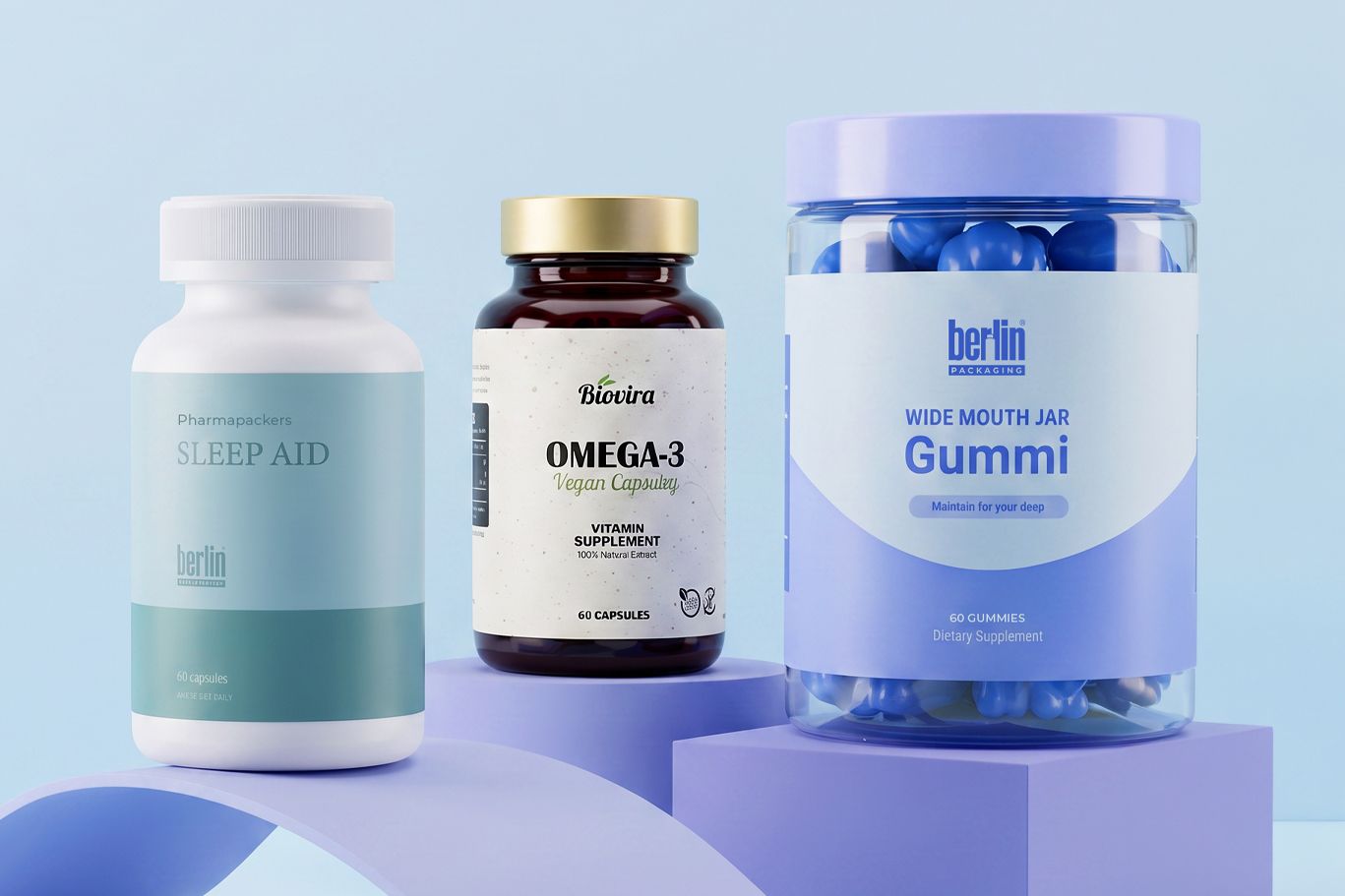
Packaging is often viewed as the final step in healthcare product development. In reality, it should be considered an integral part of the product itself. The primary purpose of healthcare packaging is not only to look attractive on the shelf, but to preserve product quality, performance, stability throughout its intended shelf life.
Netherlands · 8 September 2026 · By Bjarke Arloe Healthcare Segment Leader EMEA
)
)
Start with Product Sensitivity
The primary purpose of healthcare packaging is not only to look attractive on the shelf, but to preserve product quality, performance, stability throughout its intended shelf life.
At Berlin Packaging, we work with healthcare brands ranging from start-ups to multinational manufacturers. Across all projects, one lesson consistently emerges: successful packaging selection begins with understanding the product, not the package.
Before choosing between HDPE, PET, glass, or aluminum, manufacturers should first understand how their product reacts to:
Moisture: Can affect product stability by causing ingredients to absorb water from their surroundings.
Oxygen: Can reduce product potency through oxidation.
Light: Can degrade sensitive ingredients and shorten shelf life.
Do you need help for your next Healthcare project?
Comparing Packaging Materials
The effectiveness of a package is largely determined by its barrier performance.
When healthcare packaging specialists discuss barrier properties, two measurements are particularly important: Oxygen Transmission Rate (OTR) and Water Vapour Transmission Rate (WVTR).
HDPE: excellent moisture barrier properties, robustness, manufacturing flexibility, and cost efficiency.
PET: greater shelf impact and strong oxygen barrier performance.
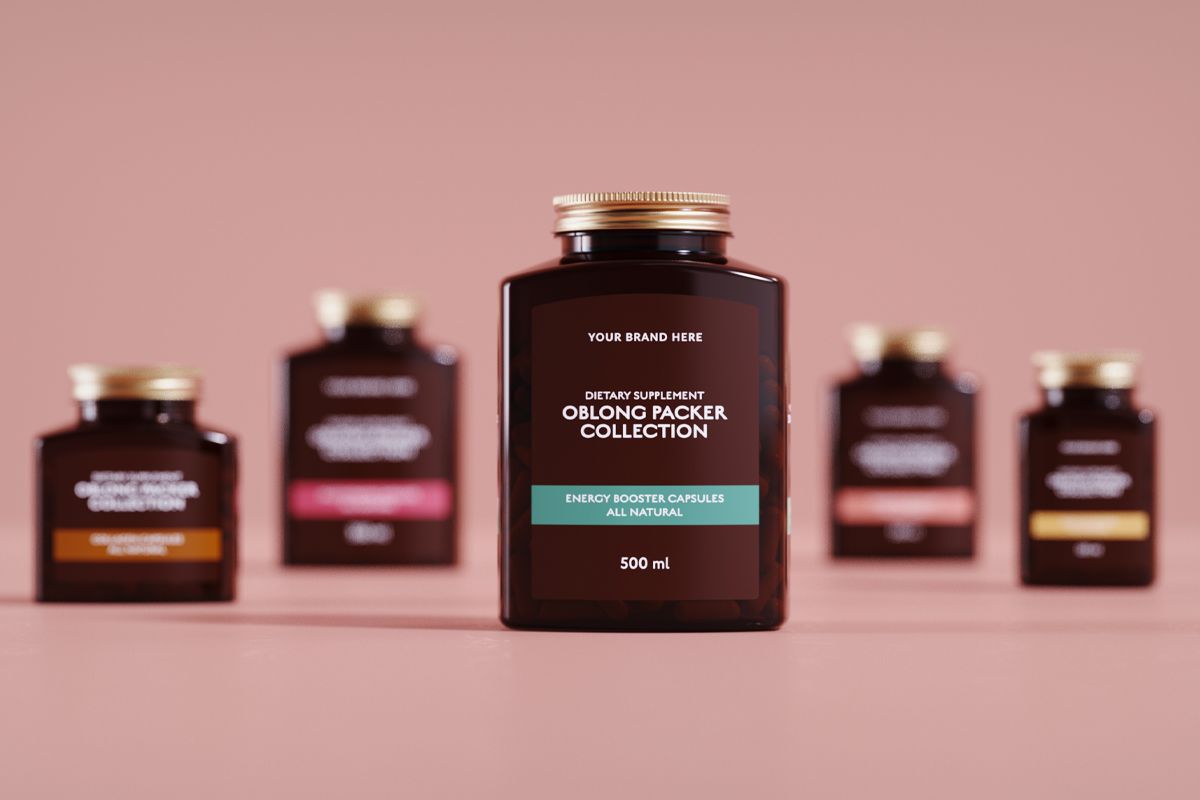
Glass: an almost impermeable barrier against oxygen and moisture.
Aluminum: outstanding protection against oxygen, moisture, and light.
Do you want to learn more about materials?
)
)
A PRACTICAL DECISION FRAMEWORK
Before selecting a packaging material, manufacturers should ask themselves five fundamental questions:
1. Is the product sensitive to moisture?
2. Is the product sensitive to oxygen?
3. Is the product sensitive to light?
4. What dosage form is being packaged?
5. What role do sustainability and premium appearance play in the brand strategy?
The answers to these questions will typically guide manufacturers towards the most appropriate packaging solution, whether that solution is HDPE, PET, glass, aluminum or a combination of materials and active packaging technologies.
CONCLUSION
Choosing the right healthcare packaging requires balancing science, product stability, sustainability objectives and brand positioning. The most successful packaging projects begin by understanding the product’s sensitivity to moisture, oxygen and light before considering aesthetics or cost. At Berlin Packaging, we believe packaging should never be selected solely because it looks good on the shelf. It should be selected because it protects the product, supports the brand and helps ensure consumers receive the quality they expect throughout the product’s lifecycle.
)

Bjarke Arloe
Healthcare Segment Leader EMEA
)
let's start a project together
Do you have a project where you need advice?
Contact us and we'll help you create the best packaging solution for your brand.
Berlin Packaging EMEA
Feel free to contact us for questions about your packaging needs